

Black Friday Nearly Got Me and My Data: A Real Story About Privacy, Deals, and Digital Survival
Every Thanksgiving weekend, I do the same ritual: grab a slice of cold pumpkin pie, settle onto the couch, and “just browse” Black Friday deals. I swear I’m only looking. No impulse buys this year. No midnight shopping. Just vibes.
But last year?
Last year changed the way I shop forever.
I searched for one thing a laptop for my mom and suddenly it was like the whole internet lit up and screamed:
“WE KNOW WHAT YOU WANT! BUY IT NOW!”
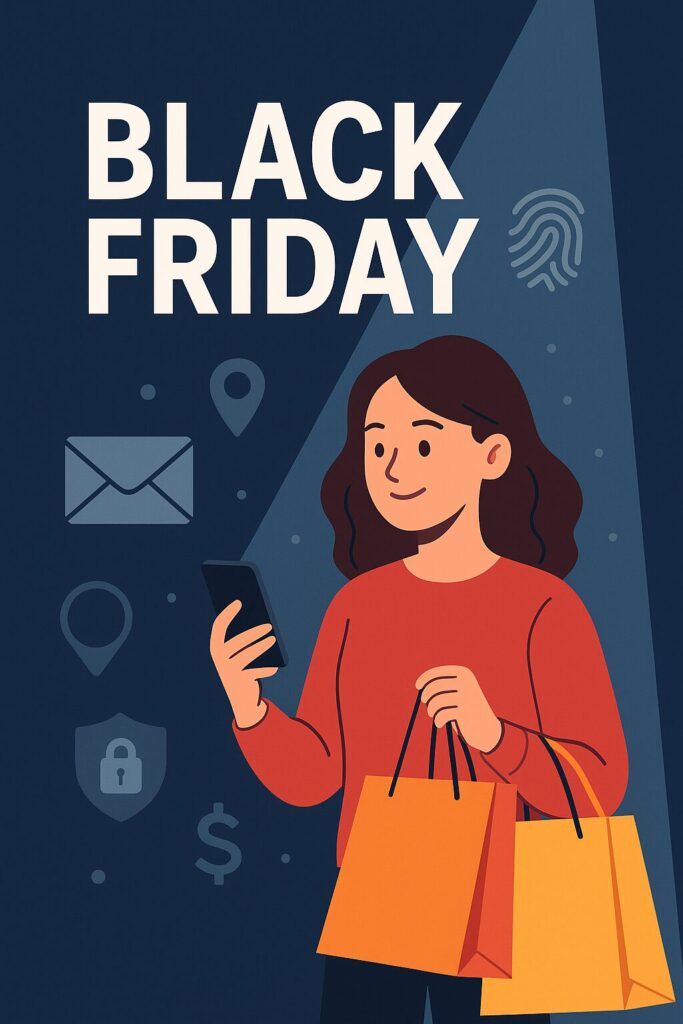
But last year something unnerved me.
I searched for a laptop once and suddenly the same models started following me across Instagram, YouTube, and even inside my weather app. My phone knew I wanted a laptop before I’d even told my family.
That’s when I realized: Black Friday isn’t just about deals. It’s about data. Yours. And a lot of it.
My social feeds knew. My weather app knew. YouTube ads knew. Even a random recipe site knew.
I wasn’t just shopping I was being watched.
And for a moment, it hit me harder than any deal ever has:
What else was I giving away without even realizing it?
That question sent me down a rabbit hole. And what I found made me rethink how I shop not just on Black Friday, but every day.
Let me take you inside what really happens during online shopping season, and how you can grab the best deals without handing your entire digital life to advertisers and data brokers.
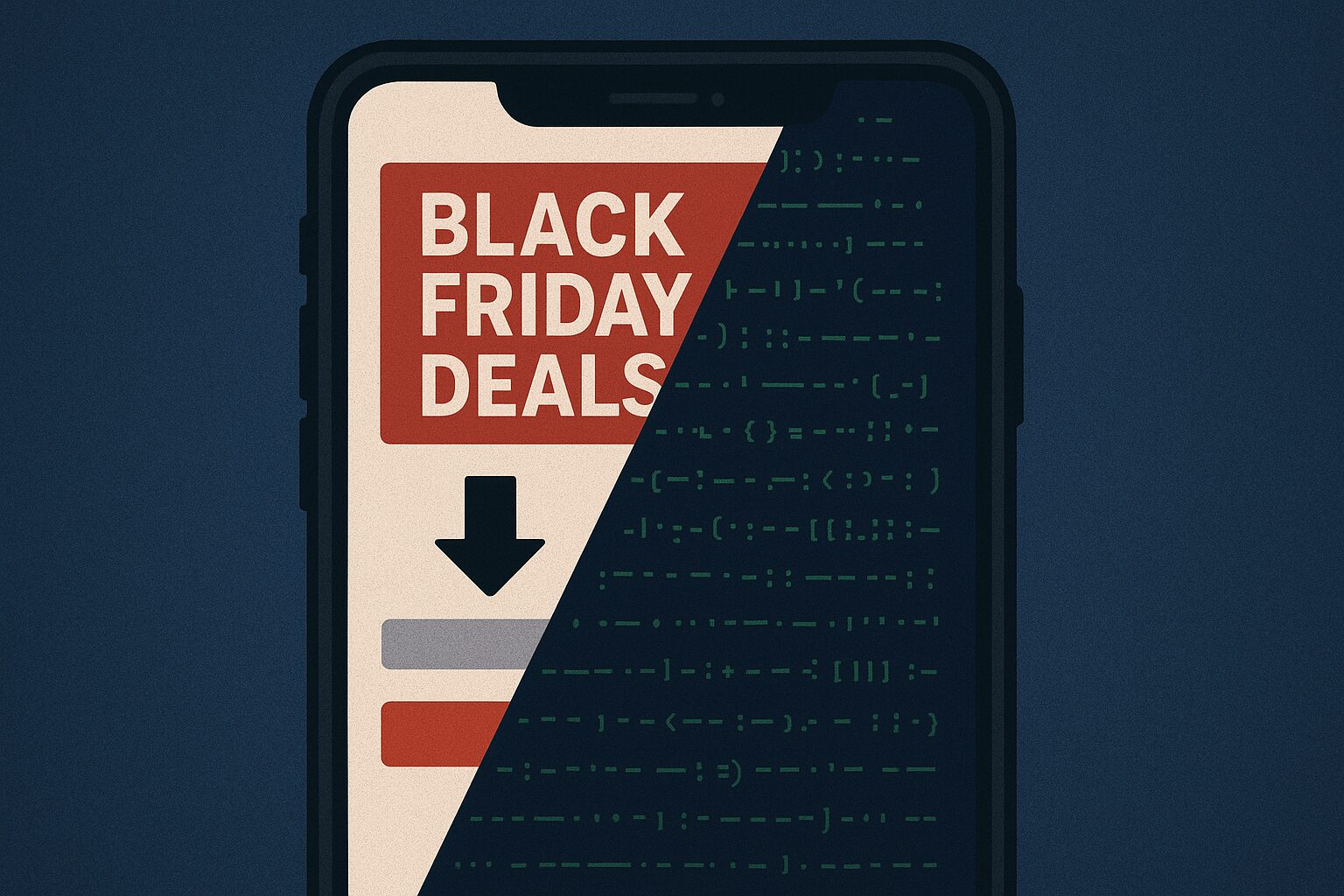 The Moment I Realized Black Friday Isn’t About Savings It’s About Surveillance
Black Friday isn’t just about deals.
It’s about data.
Your data.
Billions are spent every year more than $9.8 billion online in 2024 alone and behind every click is a tiny piece of you:
- What you search
- What you compare
- What you almost buy
- How long you hesitate
- Where you’re located
- What device you’re using
- What brands lure you back
That’s not “shopping behavior.”
That’s a digital fingerprint, and Black Friday is the single biggest data-grab of the year.
How Retailers Track You Told Through the Way I Was Tracked
1. I thought I was browsing. Retailers were profiling.
The moment I viewed that laptop:
- My “interests” profile updated
- Remarketing ads kicked in
- Every device I own synced the activity
- My price sensitivity was estimated
- My likelihood to purchase was calculated
I wasn’t a shopper.
I was a data asset.
2. The app I downloaded for “early access”? It wanted more than access.
It asked for:
- Location
- Clipboard
- App activity
- Notifications
- Contacts (why?!)
I deleted it within 10 minutes.
But the data it gathered? It already had.
3. Loyalty programs made my life easier, and advertisers’ lives even easier.
Those “points” weren’t free.
They cost me:
- My purchase history
- My buying schedule
- My preferred brands
Some programs track hundreds of data points per customer.
I didn’t know that until after the fact.
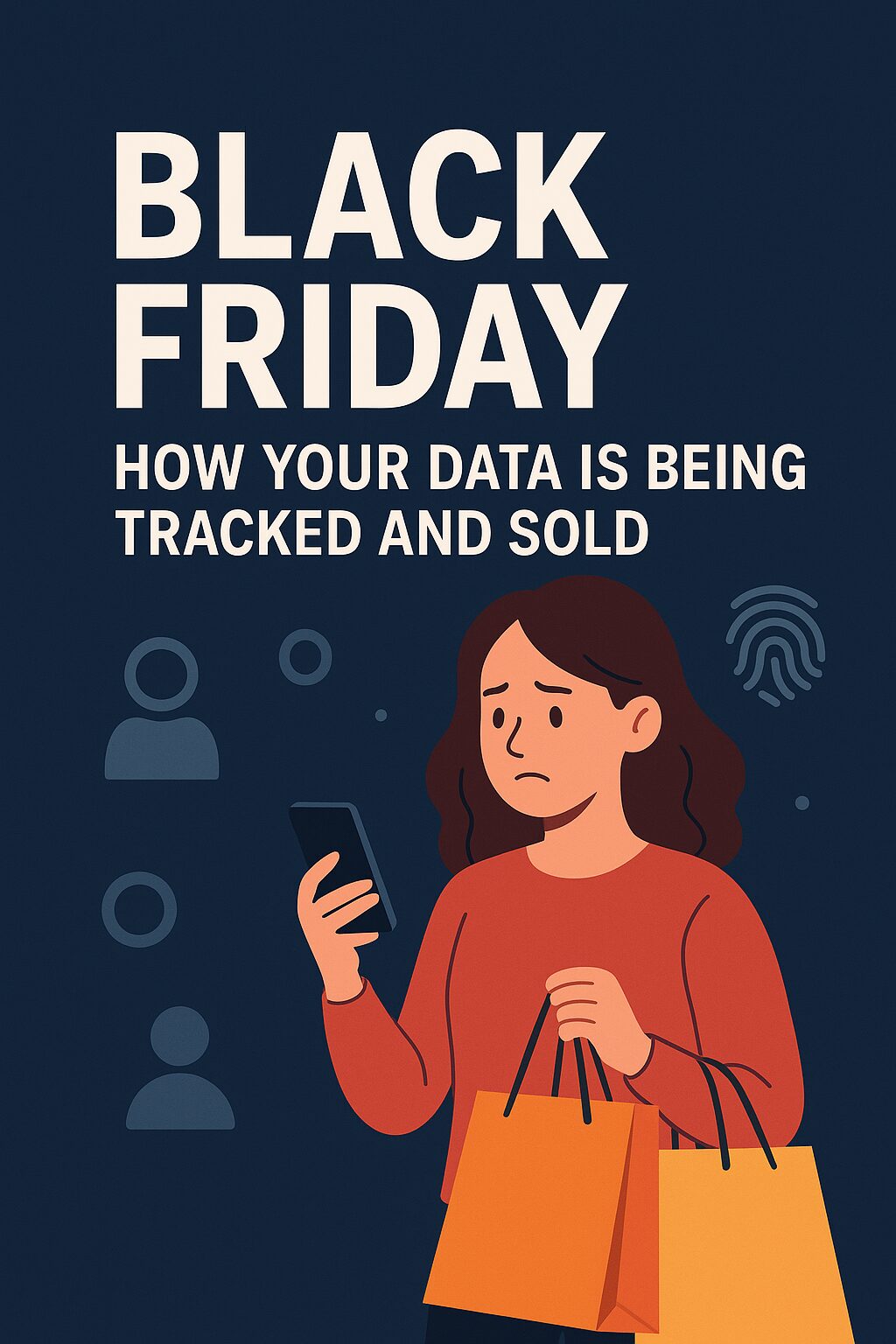 Where My Data Went and Where Yours Does Too
It doesn’t stay with the store.
It travels.
Retailers → Ad Networks → Data Brokers → Marketers/Sellers → Scammers (sometimes)
The FTC calls it a “largely invisible ecosystem,” and that’s putting it lightly.
Some brokers have up to 3,000 data points per person.
Think about that.
Three thousand tiny details about your life, packaged and sold like a product.
I wasn’t comfortable with that.
I’m guessing you aren’t either.
The Real Problems Hit After the Shopping High Wore Off
It wasn’t the money I spent, It was the aftermath.
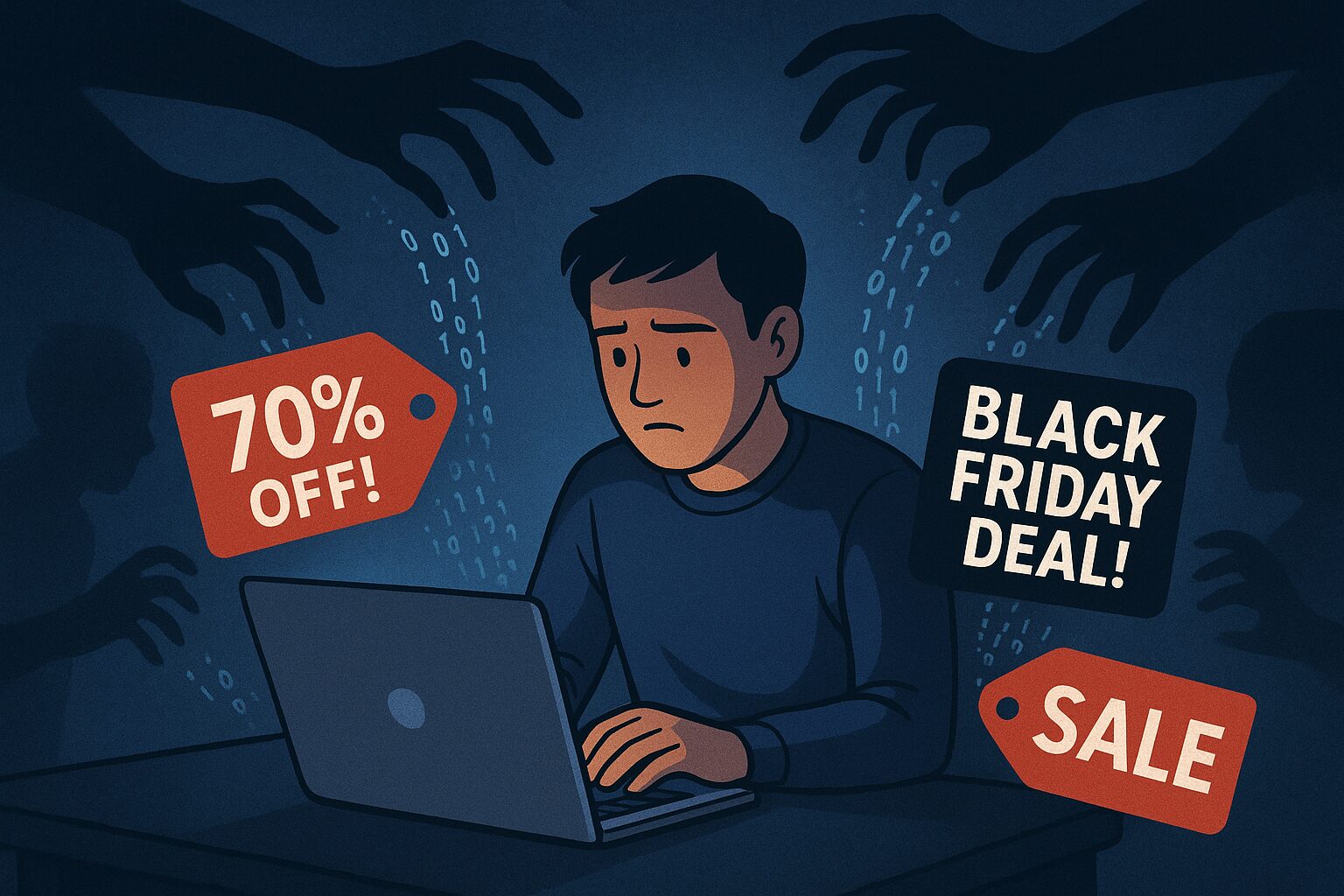
1. Robocalls exploded.
Within 72 hours, I was getting:
- “Extended warranty” calls
- Fake shipping delay texts
- Discount club robocalls
No coincidence robocalls spike after large shopping events.
2. Scam emails got eerily specific.
I got:
- “Your Amazon order is delayed” (I had actually ordered something)
- “Click here to confirm your shipping address”
- “Refund available action required”
They were convincing. Too convincing.
3. Identity theft became a real fear.
Every site I bought from now held:
- My full name
- My billing address
- My partial card number
- My order history
Every additional place that stores your info increases your risk.
Identity theft becomes easier.
The FTC’s Consumer Sentinel Report shows millions of identity theft complaints every year.
Every additional shopping site that stores your name, address, and payment data increases your exposure.
One leak = your info lands on the dark web.
Hyper-targeted scams get scarily convincing.
If a scammer knows what you bought or where you start getting:
- “Your Amazon order failed.”
- “Your refund is ready, click here.”
- “Package delay notice: verify your address.”
One exhausted moment after holiday shopping and boom you’ve clicked the trap.
So I Changed the Way I Shop Here’s What I Do Now

You don’t need to shop like a paranoid hacker to stay safe. You just need to be strategic.
1. Guest checkout whenever possible
No account = less stored data.
2. Burner email for all shopping
SimpleLogin, Apple Hide My Email, or MySudo keep your real inbox clean.
3. Use a secondary phone number
- SimpleLogin
- Apple Hide My Email
- Google Voice / MySudo / Surfshark Alternative-ID
These prevent your real inbox from becoming a Black Friday battlefield.
4. Use virtual credit cards
Privacy.com + Capital One Eno = no exposed real card number.
5. Delete store apps after purchase
Half of them keep tracking even when you’re not shopping.
6. Turn off tracking
Privacy Badger, uBlock Origin, and built-in browser privacy settings help a lot.
7. Review your settings after the sale
Five minutes now saves hours of headaches later.
After the Shopping Rush: Quick Privacy Cleanup
This part takes five minutes, tops.
- Review and revoke app permissions
- Delete store apps you no longer use
- Mark spam texts/calls as junk
- Check your credit card for unusual charges
- Run a data removal or tracking audit every few months
Consistency is your best protection.
Conclusion: Get the Deals—Not the Data Hangover
Black Friday should be fun. It shouldn’t feel like you’re handing over your entire digital identity for a $15 discount on earbuds.
If you shop with intention use guest checkout, avoid unnecessary signups, rotate emails and numbers, and clean up afterward you keep the excitement without the surveillance.
Every time you fill out a form, you’re making a tiny trade.
This year, make sure the trade goes in your favor.
Shop smart. Guard your privacy. Enjoy the deals without giving away the rest of your life.